Circe Discussion Questions & Book Club Guide
by Madeline Miller
Want to read Circe with a few people nearby?
About Circe
In Homer, Circe is a witch on an island who turns Odysseus’s men into pigs, then becomes his lover for a year. Madeline Miller gives her the whole story. Circe is born to Helios, god of the sun, and a nymph who has little use for her. In a hall of glittering, careless gods, she is the odd one out: plain-voiced, awkward, and too curious about mortals. When she discovers she can work transformations with herbs, the gods are frightened enough to exile her to the island of Aiaia. There she grows into her power across centuries, crossing paths with Hermes, Daedalus, the Minotaur, Medea, Odysseus, and finally Penelope and Telemachus. It is a book about a woman who is told she is nothing and slowly decides otherwise, and about the choice between living forever and living fully. Circles that read The Song of Achilles often come to Circe next, and the conversation tends to be about power: who has it, who takes it, and what it costs to keep.
Discussion questions for Circe
Circe is mocked in her father’s halls for her voice and her plainness. How does that early rejection shape the woman she becomes, and does she ever fully escape it?
Her first act of witchcraft transforms Glaucos, a mortal fisherman, into a god. Her second transforms Scylla into a monster. How do those two choices, one out of love and one out of jealousy, haunt the rest of the novel?
Exile to Aiaia is meant as punishment. When did it start to feel like freedom, and was it ever fully one or the other?
Early on, Circe secretly brings nectar to Prometheus while he is being punished. Why do you think Miller included this scene, and how does it echo through Circe’s later choices?
Circe helps her sister Pasiphaë give birth to the Minotaur on Crete and meets Daedalus there. What does she learn from Daedalus about craft, love, and making things with your hands?
When sailors come to Aiaia and assault her, she begins turning men into pigs. How did you respond to this reframing of the famous myth? Does it change how you read the Odyssey?
Odysseus is charming, clever, and evasive. How does Miller’s Odysseus compare with the hero you may know? What does Circe see in him that others miss?
Motherhood takes over the second half of the book. How does raising Telegonus change Circe, and what lengths does she go to in order to protect him from Athena?
Penelope and Circe could have been rivals. What do they come to understand about each other, and why do you think Miller brought them together?
The gods in this novel are powerful but strangely hollow. What does Circe come to believe about the difference between gods and mortals?
The final choice Circe makes is about mortality. Did you see it coming? Would you make the same choice?
In the Odyssey, Circe gets a single episode in someone else’s epic. Which other overlooked figure, from myth or history, would you want a book like this written about?
Themes in Circe
Power claimed rather than given
Circe begins with no status in a world that runs on rank. Her power comes from work: gathering herbs, learning their properties, failing and trying again. Miller contrasts that earned, practical power with the inherited power of the gods, and the contrast becomes the novel’s argument about what real strength looks like.
Transformation
Nearly everyone in the book is transformed: Glaucos into a god, Scylla into a monster, men into pigs, and Circe herself from a neglected daughter into someone the gods fear. The novel asks whether transformation reveals a person’s true nature or overwrites it, and whether anyone can change without paying for it.
Motherhood as ferocity
Circe’s love for her son is not gentle. It is fierce, anxious, and willing to defy a goddess. Miller writes early motherhood with unusual honesty, including its exhaustion and resentment, and lets it become one of the most powerful forces in the book.
Mortality as a gift
Gods in this novel have endless time and very little feeling. Mortals have almost no time and feel everything. Circe’s long life lets her watch that difference over and over, until the question of which is better becomes the book’s final and most personal question.
Suggested book club format
- Length: About 390 pages, roughly eight to nine hours of reading.
- Session count: One session usually works. For two, break when Odysseus arrives on Aiaia. The first half is Circe finding her power; the second half is Circe deciding what to do with it.
- Icebreaker: “Which figure from myth or legend did you grow up hearing about, and whose side of the story were you told?”
- Moderator note: The novel includes a sexual assault, told briefly but directly, and it is central to Circe’s arc. Mention it gently beforehand. Members do not need to know the Odyssey; Miller gives readers everything they need.
How a real club read this
Share how your circle discussed Circe: tell us about your reading circle.
More books like Circe
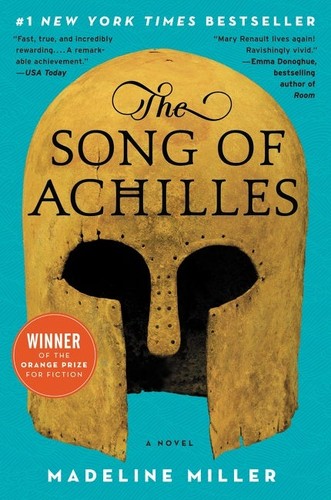
- The Song of Achilles by Madeline Miller: the Trojan War told by Patroclus, with the same attention to the people myths overlook. The Song of Achilles discussion guide.
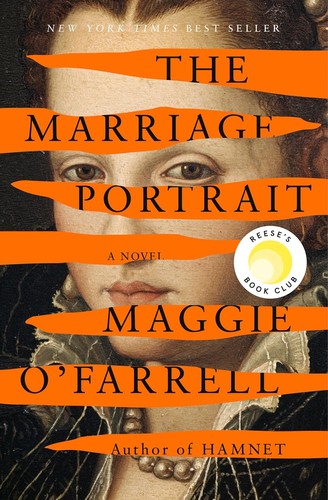
- The Marriage Portrait by Maggie O’Farrell: a young woman in Renaissance Italy fighting for agency in a world that treats her as a possession. The Marriage Portrait discussion guide.
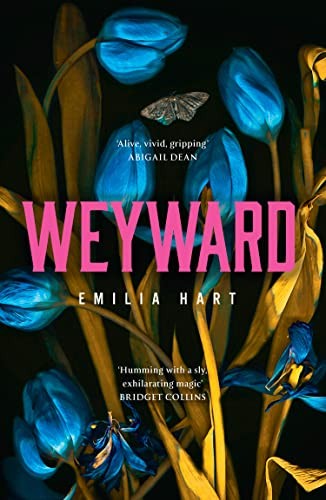
- Weyward by Emilia Hart: three generations of women connected by nature, independence, and a whisper of witchcraft. Weyward discussion guide.
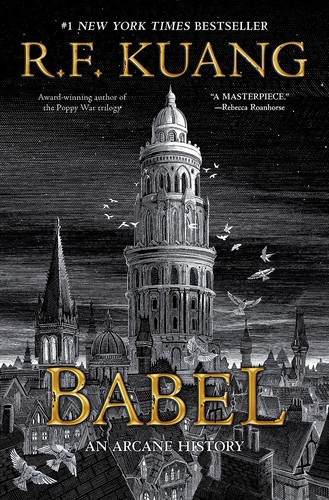
- Babel by R. F. Kuang: a fantasy about knowledge, power, and who is allowed to wield both. Babel discussion guide.
Read Circe with neighbours in a Cuento circle. Learn how to run a great reading-circle discussion. Explore more literary fiction picks for book clubs.
About Cuento
Cuento matches you with a handful of neighbours whose reading taste overlaps with yours into a local reading circle close to home: monthly meetups, no app fatigue. Free to join. $15 only when we find your circle. If you want to read Circe with people who live nearby, that is exactly what we do.
Imagine reading Circe with a handful of neighbours who love it too. Cuento matches you with local readers who share your taste. Free to join, and just $15 on the day your circle forms.
Match with neighboursMore guides like this
From the blog
Discussion guide by the Cuento team. Questions are original.
More book guides