Intermezzo Discussion Questions & Book Club Guide
by Sally Rooney
Want to read Intermezzo with a few people nearby?
About Intermezzo
Two brothers, ten years apart, have just buried their father. Peter Koubek is thirty-two, a successful Dublin barrister who is barely holding himself together. He is still in love with Sylvia, his first love, whose chronic pain from an accident ended their relationship, while also involved with Naomi, a much younger student who depends on him. Ivan is twenty-two, a former chess prodigy who feels he wasted his youth on a game. At a chess exhibition at a small arts centre in County Leitrim, he meets Margaret, a thirty-six-year-old woman who runs the program there, and they fall into a serious, tender relationship that Peter finds hard to accept. Between the brothers sits their father’s dog, Alexei, whom nobody seems able to take care of. Sally Rooney writes Peter’s chapters in clipped, fragmented bursts and Ivan’s in careful, complete sentences, so the prose itself becomes a portrait of two ways of grieving. Circles tend to split on the brothers, and the split is usually the best part of the evening.
Discussion questions for Intermezzo
Peter’s sections are written in broken, staccato fragments, while Ivan’s are measured and complete. How did the two styles affect your reading, and what do they tell you about each brother’s grief?
The brothers seem unable to speak to each other without it turning into a fight. Where do you think their resentment really comes from, and how much of it predates their father’s death?
Ivan and Margaret are fourteen years apart. Peter reacts badly, and Margaret has her own doubts. Did you find their relationship convincing? Did the age gap matter to you as a reader?
Peter is caught between Sylvia and Naomi and cannot choose. What does each woman offer him? Did you think the book judged him, or let him off too easily?
Sylvia’s chronic pain shapes what she believes she can offer Peter. How does Rooney handle illness and desire? Did Sylvia feel like a full character or mostly a mirror for Peter?
Naomi is younger, broke, and living a precarious life. How did you read the power dynamics between her and Peter, and did your view of her change by the end?
Chess runs through the novel, from Ivan’s lost career to the title itself, which also names a chess move. Where did you notice the game shaping how characters think, plan, or avoid?
Alexei, the father’s dog, keeps getting passed around. What does the dog mean to each brother, and why do you think Rooney gave him such a central place?
The brothers’ mother is a limited presence in their grief. What role does her absence, or her particular kind of presence, play in how Peter and Ivan turn out?
Peter struggles with his sense of being a decent man in a complicated situation. What does the novel seem to believe about morality in private life: is it about rules, or about care?
Rooney has often been read as a writer of young love. How does Intermezzo extend or change that reputation for you?
The ending brings the brothers back into the same room. Did it feel earned, and what do you imagine happens between them next?
Themes in Intermezzo
Two languages of grief
The formal choice at the heart of the book is its most discussed. Peter’s thoughts arrive in fragments, half-sentences, and loops; Ivan’s arrive in full, logical paragraphs. Neither brother grieves correctly, and Rooney does not rank them. The novel asks readers to hold both, and to notice which one feels more like their own mourning.
Brothers who cannot say what they mean
The heart of the novel is not either romance. It is the gap between two men who share a father, a history, and a stubbornness, and who have no working vocabulary for affection. Every fight between them is also a reach toward each other, and the book is patient about how long that reach can take.
Love outside the approved shapes
Ivan and Margaret, Peter and Sylvia, Peter and Naomi: none of these relationships fits a tidy social script. Rooney is interested in how people defend, hide, or explain love that others find strange. She is also interested in what happens when people stop explaining and just choose each other.
Games, strategy, and control
Ivan’s chess mind looks for the right move; Peter’s lawyer’s mind looks for the right argument. Both are ways of controlling what cannot be controlled. The novel slowly strips that control away and watches what the brothers do without it.
Suggested book club format
- Length: About 450 pages, roughly nine to ten hours of reading.
- Session count: One long session works, but two give the brothers room. Break around the midpoint, so the second session can focus on how, and whether, the brothers repair things.
- Icebreaker: “Do you grieve out loud or quietly? Which one of the brothers felt more familiar?”
- Moderator note: Peter’s fragmented style frustrates some readers and grips others. Invite people to say which camp they are in early, without trying to convert anyone. The book includes suicidal thoughts, heavy drinking and pill use, and frank sexual content.
How a real club read this
Share how your circle discussed Intermezzo: tell us about your reading circle.
More books like Intermezzo
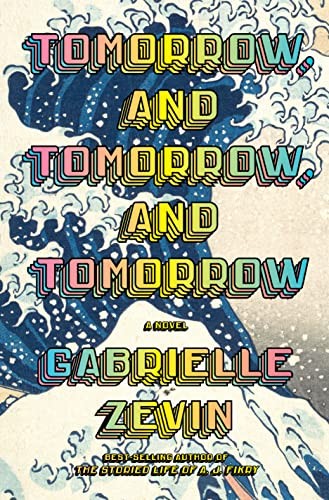
- Tomorrow, and Tomorrow, and Tomorrow by Gabrielle Zevin: a lifelong partnership built around games, with love and resentment tangled together. Tomorrow, and Tomorrow, and Tomorrow discussion guide.
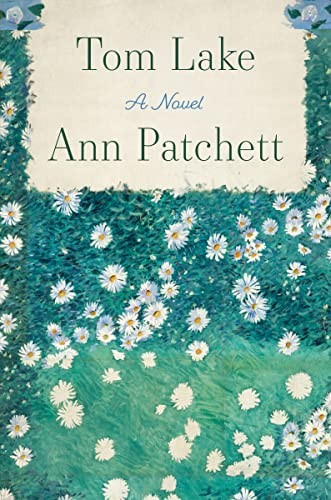
- Tom Lake by Ann Patchett: a quieter family story about what parents and children do and do not say to each other. Tom Lake discussion guide.
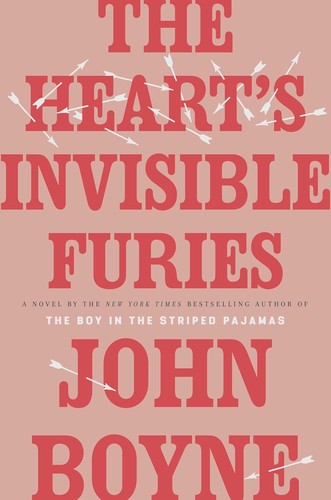
- The Heart’s Invisible Furies by John Boyne: an Irish life shaped by family estrangement and the long work of reconciliation. The Heart’s Invisible Furies discussion guide.
- Crying in H Mart by Michelle Zauner: grief for a parent, written with the same close attention to the texture of loss. Crying in H Mart discussion guide.
Read Intermezzo with neighbours in a Cuento circle. Learn how to run a great reading-circle discussion. Explore more literary fiction picks for book clubs.
About Cuento
Cuento matches you with a handful of neighbours whose reading taste overlaps with yours into a local reading circle close to home: monthly meetups, no app fatigue. Free to join. $15 only when we find your circle. If you want to read Intermezzo with people who live nearby and argue about Peter, that is exactly what we do.
Imagine reading Intermezzo with a handful of neighbours who love it too. Cuento matches you with local readers who share your taste. Free to join, and just $15 on the day your circle forms.
Match with neighboursMore guides like this

From the blog
Discussion guide by the Cuento team. Questions are original.
More book guides