Klara and the Sun Discussion Questions & Book Club Guide
by Kazuo Ishiguro
Want to read Klara and the Sun with a few people nearby?
About Klara and the Sun
Klara is an Artificial Friend, a solar-powered companion robot waiting in a shop window for someone to choose her. She is unusually observant, and she spends her days studying the street outside and the way the Sun’s light falls on everything. When a sickly teenager named Josie chooses her, Klara goes to live with Josie and her mother in a remote house, where she learns the rhythms of a family under strain. Josie is ill, and there are hints of a sister who died of a similar illness. Children in this world may be genetically “lifted” to give them an advantage, and Rick, the boy next door whom Josie loves, has not been. Klara, who believes the Sun gives special nourishment to those who need it, forms a private plan to save Josie. Kazuo Ishiguro, winner of the Nobel Prize in Literature, tells the whole story through Klara’s precise, innocent, and sometimes heartbreaking point of view. Circles often find that the novel is less about machines than about the people around them, and about what love asks of us.
Discussion questions for Klara and the Sun
Everything in the novel is filtered through Klara’s perception, including the way her vision breaks into boxes when she is overwhelmed. How did her narration affect your sense of what was really happening?
Klara treats the Sun almost as a god, and she makes a bargain with it on Josie’s behalf. Is her belief a mistake, a kind of faith, or something the novel leaves open?
In the store, Klara studies human behaviour from the window. What does she understand about people that the humans around her do not? What does she consistently miss?
Josie’s mother asks Klara to study Josie very closely, and the reason slowly becomes clear. How did you react when you understood what the mother and Mr Capaldi were planning?
The novel asks whether a person could be continued by someone who learned them completely. What does Klara come to believe about whether there is something unique in Josie that cannot be copied?
“Lifting” divides children into those who were genetically enhanced and those who were not. How does Rick’s status shape his future and his relationship with Josie?
With Josie’s father’s help, Klara disables the Cootings Machine because she believes its pollution offends the Sun, and she gives up part of herself to do it. What did you make of that sacrifice?
Josie’s parents are separated, and her father, a former engineer, now lives a very different life from the one he had. How do the adults’ losses and fears shape the choices they make for Josie?
Is Klara loved by the family? What does the way people treat her, from warmth to indifference, tell you about them?
Ishiguro keeps much of this world vague: the illness, the politics, the technology. Did the lack of explanation frustrate you, or did it keep your attention on the characters?
The novel ends with Klara in a place called the Yard, sorting her memories. How did you feel about her ending? Is it sad, peaceful, or both?
Ishiguro’s Never Let Me Go also explored what it means to be human through someone society treats as less than human. If you have read both, how do they compare? If not, which question from this book will stay with you?
Themes in Klara and the Sun
What makes a person irreplaceable
The central question of the novel is whether a human being could be fully learned and recreated. Klara’s answer, reached through close attention and love rather than argument, is the book’s quiet thesis. Circles often find that each member answers the question differently, and that the answers reveal a lot.
Faith and reason
Klara’s belief in the Sun is based on real observation and is also, from a human point of view, wrong. Yet her faith leads to acts of genuine devotion. Ishiguro invites readers to consider how belief works, for machines and people alike, and whether its value depends on its accuracy.
Love as attention
Klara loves Josie by paying attention to her, constantly and without self-interest. The humans in the novel love each other in more tangled ways: fearfully, possessively, sometimes selfishly. The contrast makes readers look at what love actually consists of.
Inequality in a technological future
Lifting creates a two-tier society of children, and the adults live with their own quiet losses and displacements. Ishiguro keeps these details in the background, but they shape everyone’s choices, and they give the novel an unsettling closeness to our own world.
Suggested book club format
- Length: About 300 pages, roughly six to seven hours of reading.
- Session count: One session works well. The book rewards a single, unhurried conversation.
- Icebreaker: “Did you have a toy, a pet, or an object as a child that you believed understood you?”
- Moderator note: Some readers find the slow, restrained pacing frustrating; others find it deeply moving. Invite both reactions early. Members interested in AI may want to debate the technology, which is fine, but the richest conversations tend to return to the family.
How a real club read this
Share how your circle discussed Klara and the Sun: tell us about your reading circle.
More books like Klara and the Sun
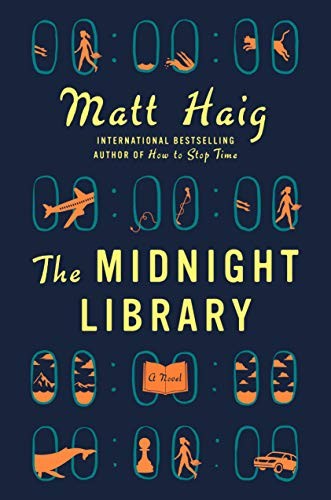
- The Midnight Library by Matt Haig: a speculative premise used to ask what makes a life worth living. The Midnight Library discussion guide.
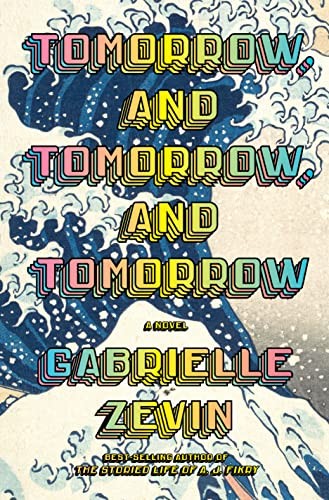
- Tomorrow, and Tomorrow, and Tomorrow by Gabrielle Zevin: love, technology, and the worlds people build to hold each other. Tomorrow, and Tomorrow, and Tomorrow discussion guide.
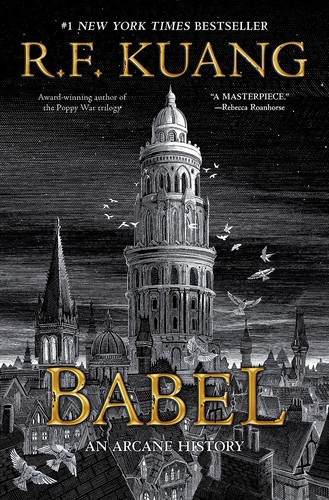
- Babel by R. F. Kuang: a speculative world that turns on questions of power, knowledge, and who counts as fully human. Babel discussion guide.
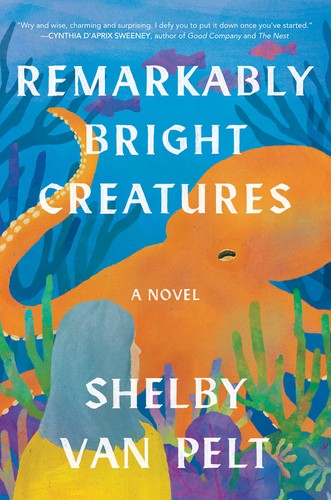
- Remarkably Bright Creatures by Shelby Van Pelt: a non-human narrator who sees the people around him more clearly than they see themselves. Remarkably Bright Creatures discussion guide.
Read Klara and the Sun with neighbours in a Cuento circle. Learn how to run a great reading-circle discussion. Explore more speculative fiction picks for book clubs.
About Cuento
Cuento matches you with a handful of neighbours whose reading taste overlaps with yours into a local reading circle close to home: monthly meetups, no app fatigue. Free to join. $15 only when we find your circle. If you want to read Klara and the Sun with people who live nearby, that is exactly what we do.
Bring Klara and the Sun to a Cuento reading circle near you →
Imagine reading Klara and the Sun with a handful of neighbours who love it too. Cuento matches you with local readers who share your taste. Free to join, and just $15 on the day your circle forms.
Match with neighboursMore guides like this
From the blog
Discussion guide by the Cuento team. Questions are original.
More book guides