The Women Discussion Questions & Book Club Guide
by Kristin Hannah
Want to read The Women with a few people nearby?
About The Women
Frankie McGrath is young, sheltered, and raised on Coronado Island in a family that honours its military men on a “hero wall” in the study. When her brother Finley ships out to Vietnam, his friend Rye Walsh tells her that women can be heroes too, and she enlists in the Army Nurse Corps. In Vietnam she is overwhelmed, then competent, then indispensable, carried through by two fellow nurses, Ethel and Barb, and shaken by the men she loves and loses. The second half of the novel is the one circles argue about most: Frankie comes home to protesters, to parents who told the neighbours she was studying in Florence, to a VA that turns her away because she was never in combat, and to a refrain she hears everywhere: there were no women in Vietnam. Kristin Hannah writes about the war and about the harder, quieter war of being believed afterward. The book debuted at number one on The New York Times fiction list and has been one of the most-read circle picks since.
Discussion questions for The Women
Frankie’s father keeps a wall of family heroes, and her name is not on it. What does that wall represent, and how does Frankie’s relationship to it change from the first chapter to the last?
Frankie arrives in Vietnam knowing almost nothing and is thrown straight into triage. Which moment marks the point where she stops being a newcomer? What did it cost her to get there?
Ethel and Barb become Frankie’s lifelines, in Vietnam and long after. How does Hannah portray female friendship under pressure, and does it feel true to your own experience of friendship?
Frankie’s feelings for Jamie Callahan, a married surgeon, and later for Rye Walsh, her brother’s friend, are both complicated by what she does not know. What does the novel suggest about love formed in wartime and whether it can survive peacetime?
On her return, Frankie is spat on, dismissed, and told again and again that there were no women in Vietnam. Which scene of homecoming affected you most, and why?
Frankie’s parents told friends she was in Florence rather than admit she was at war. What were they protecting, and could you find any sympathy for them?
Barb, a Black nurse, sees the war and the homecoming differently from Frankie. How does her perspective widen the story, and did you want more of it?
The second half of the book follows Frankie’s slide into grief, pills, and a collapse she cannot name. How did you feel about the pacing of this section compared with the war chapters?
Rye’s return from a prisoner-of-war camp is a turning point. How did you respond to what Frankie learns about him, and did it change how you read their earlier scenes?
Frankie eventually finds a way to help other women veterans. What does the novel suggest about healing: is it something done alone, or only with others who understand?
The book ends at the dedication of the Vietnam Veterans Memorial in Washington. Why do you think Hannah chose that setting, and did the final scene feel like the right resolution?
Many readers say they knew little about women’s service in Vietnam before this novel. What did you learn, and what do you want to know more about now?
Themes in The Women
The right to be recognized
Frankie’s story is driven by a simple wish: to be seen for what she did. Her country, her parents, and even veterans’ groups refuse to see it. The novel treats that refusal as its own injury, one that compounds everything she carried home. By the end, recognition matters as much as survival.
Women’s friendship as survival
Ethel and Barb do not just support Frankie; they rescue her, more than once. Hannah builds the book around the idea that the women who shared the war are the only ones who can fully share its aftermath. Their friendship is practical, funny, and fierce, and it outlasts every romance in the novel.
The war after the war
The Vietnam chapters are vivid, but the novel’s centre of gravity is what happens after. Frankie’s trauma arrives late and without a name, because no one has told her she is allowed to have it. The book asks readers to consider how many people came home from service without the language, or the permission, to say they were hurt.
Duty and disillusionment
Frankie enlists out of patriotism and family pride. What she sees in the operating rooms, and what she hears from the men she treats, slowly takes that certainty apart. Hannah does not hand readers a political verdict on the war. She lets them watch one young woman’s idea of honour change shape.
Suggested book club format
- Length: About 480 pages, roughly ten to eleven hours of reading.
- Session count: Two sessions work best. Break when Frankie comes home from Vietnam. The shift from war to homecoming is the novel’s natural hinge, and each half deserves its own conversation.
- Icebreaker: “Who in your life did something important that never got the recognition it deserved?”
- Moderator note: The book includes graphic wartime injuries, a miscarriage, substance abuse, and a suicide attempt. Some members may have family who served in Vietnam or in other conflicts. Leave room for personal stories, and let people pass if they prefer.
How a real club read this
Share how your circle discussed The Women: tell us about your reading circle.
More books like The Women
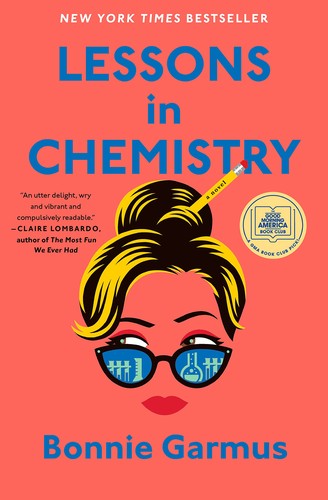
- Lessons in Chemistry by Bonnie Garmus: a woman in a male-dominated profession who refuses to be dismissed, set in a similar postwar America. Lessons in Chemistry discussion guide.
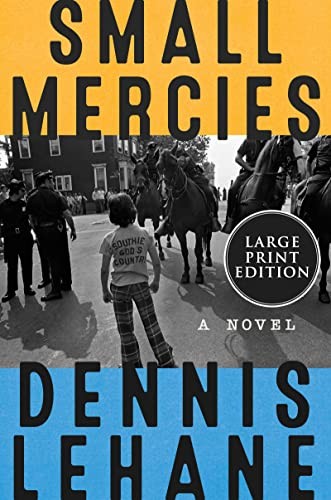
- Small Mercies by Dennis Lehane: 1970s America, grief, and a woman who will not accept the official story. Small Mercies discussion guide.
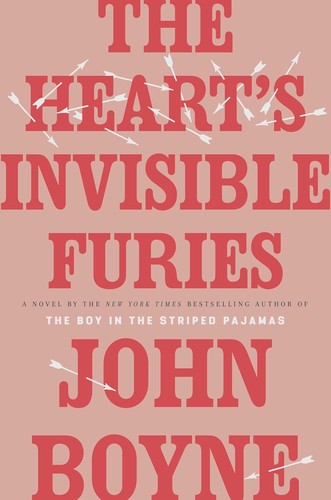
- The Heart’s Invisible Furies by John Boyne: a life told across decades, shaped by a family and a country that would rather not see who someone really is. The Heart’s Invisible Furies discussion guide.
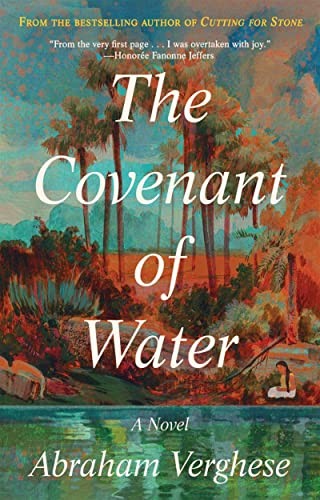
- The Covenant of Water by Abraham Verghese: a sweeping, medically detailed novel where doctoring and grief sit side by side. The Covenant of Water discussion guide.
Read The Women with neighbours in a Cuento circle. Learn how to run a great reading-circle discussion. Explore more historical fiction picks for book clubs.
About Cuento
Cuento matches you with a handful of neighbours whose reading taste overlaps with yours into a local reading circle close to home: monthly meetups, no app fatigue. Free to join. $15 only when we find your circle. If you want to read The Women with people who live nearby, that is exactly what we do.
Imagine reading The Women with a handful of neighbours who love it too. Cuento matches you with local readers who share your taste. Free to join, and just $15 on the day your circle forms.
Match with neighboursMore guides like this
From the blog
Discussion guide by the Cuento team. Questions are original.
More book guides