Where the Crawdads Sing Discussion Questions & Book Club Guide
by Delia Owens
Want to read Where the Crawdads Sing with a few people nearby?
About Where the Crawdads Sing
In 1969, the body of Chase Andrews, a former high school quarterback and the golden boy of Barkley Cove, North Carolina, is found at the base of an old fire tower. The town suspects Kya Clark, the “Marsh Girl” who has lived alone in the coastal wetlands since childhood. Delia Owens tells two stories side by side. One is the investigation and trial. The other begins in 1952, when six-year-old Kya watches her mother walk away down the lane, followed one by one by her siblings, until only her violent father is left, and then not even him. Kya survives by selling mussels to Jumpin’, a Black fuel dock owner who with his wife, Mabel, quietly looks out for her. She learns to read from Tate Walker, a boy who loves the marsh as much as she does, and she becomes a self-taught naturalist of real skill. The novel has sold many millions of copies. Circles tend to divide between readers who love it for its sense of place and readers who question its plausibility, and both sides have plenty to say about the final pages.
Discussion questions for Where the Crawdads Sing
Kya’s mother leaves when Kya is six, and her siblings soon follow. How does that first abandonment shape the way Kya trusts, or refuses to trust, everyone who comes after?
The town calls Kya the “Marsh Girl” and treats her as a rumour rather than a person. What does Barkley Cove’s treatment of her say about how communities decide who belongs?
Jumpin’ and Mabel help Kya survive while facing their own discrimination in a segregated town. How did you read their role in the story, and did you want more of their perspective?
Tate teaches Kya to read and then leaves for college without keeping his promise to return. Did you forgive him? Did the novel give him enough room to earn it?
Chase Andrews offers Kya the promise of belonging, then betrays her. How does Owens build him, and did he feel like a full character or a necessary villain?
Kya studies the marsh with a scientist’s eye, and she often explains human behaviour through animal behaviour. Where did you find those comparisons illuminating, and where did they feel uncomfortable?
Owens alternates between Kya’s childhood and the murder investigation. How did the two timelines work together for you, and when did they finally meet?
The trial brings Kya into town, into a courtroom, and into full public view. What did you make of Tom Milton, her lawyer, and of the way the town behaves during the trial?
Throughout the book, poems by a writer named Amanda Hamilton appear. When did you begin to suspect their significance, and how did they change your reading of the ending?
The final pages reveal what really happened to Chase. Were you surprised? How did the revelation change your view of Kya and of the verdict?
Some readers find Kya’s survival and success implausible; others see the novel as closer to a fable. How much realism does a book like this need, and did it matter to you?
The title comes from something Kya’s mother used to say about the wild places deep in the marsh. By the end, what does “where the crawdads sing” mean to you?
Themes in Where the Crawdads Sing
Isolation and belonging
Kya’s loneliness is the book’s emotional engine. She is both abandoned and excluded: left by her family and pushed away by the town. The novel explores what a person becomes when she grows up almost without human contact, and whether belonging is something she can ever fully accept once it is offered.
Nature as teacher and law
Kya learns everything from the marsh: how to find food, how to read weather, how creatures court, compete, and survive. Owens, a wildlife scientist, gives the natural world a moral logic of its own. The question the novel leaves circles to argue about is whether that logic should apply to people.
Prejudice and the stories towns tell
Barkley Cove has decided who Kya is long before the trial begins. The novel shows how gossip, class, and race shape which people a town protects and which it is ready to blame. Kya’s trial is as much about the town’s assumptions as about the evidence.
Self-reliance and its cost
Kya becomes a published naturalist with no formal education, which the book presents as a triumph. It also shows the cost: every relationship she forms is shadowed by the expectation of loss. Independence in this novel is both a victory and a wound.
Suggested book club format
- Length: About 370 pages, roughly eight hours of reading.
- Session count: One session works well. If you split it, break just before the trial begins, and ask members not to skip ahead.
- Icebreaker: “Is there a landscape, a place in nature, that shaped who you are? What would you miss most if you could never go back?”
- Moderator note: The book includes domestic violence, child neglect, and an attempted sexual assault. It also has a devoted readership and some vocal critics, and members may arrive with strong opinions about the ending. Let both camps speak before you move to the final reveal.
How a real club read this
Share how your circle discussed Where the Crawdads Sing: tell us about your reading circle.
More books like Where the Crawdads Sing
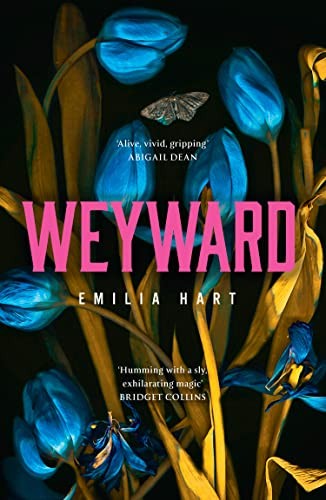
- Weyward by Emilia Hart: women whose bond with the natural world makes their communities call them something dangerous. Weyward discussion guide.
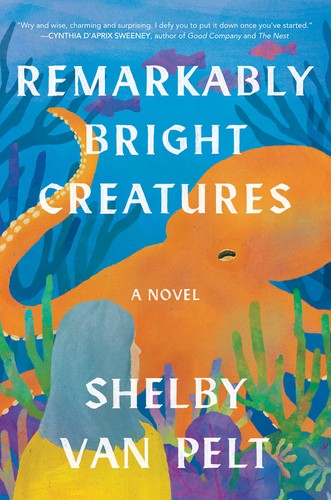
- Remarkably Bright Creatures by Shelby Van Pelt: a small coastal town, a long-buried mystery, and an unexpected narrator from the natural world. Remarkably Bright Creatures discussion guide.
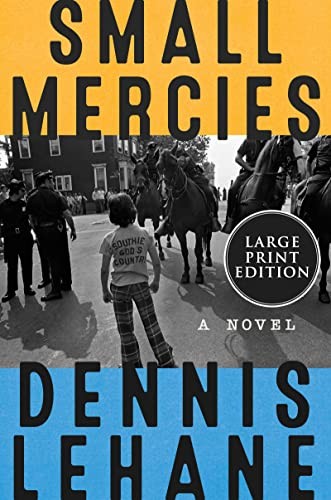
- Small Mercies by Dennis Lehane: a death, a close-knit community, and the question of who gets blamed. Small Mercies discussion guide.
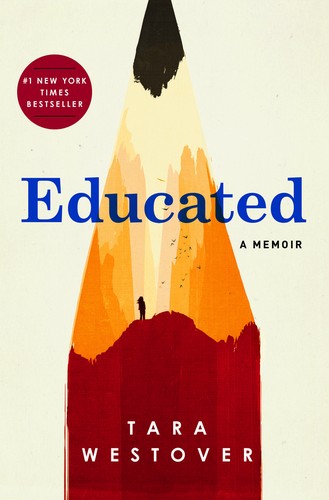
- Educated by Tara Westover: a real childhood lived far outside the mainstream, and a self-education against the odds. Educated discussion guide.
Read Where the Crawdads Sing with neighbours in a Cuento circle. Learn how to run a great reading-circle discussion. Explore more crime fiction picks for book clubs.
About Cuento
Cuento matches you with a handful of neighbours whose reading taste overlaps with yours into a local reading circle close to home: monthly meetups, no app fatigue. Free to join. $15 only when we find your circle. If you want to read Where the Crawdads Sing with people who live nearby and argue about that ending, that is exactly what we do.
Bring Where the Crawdads Sing to a Cuento reading circle near you →
Imagine reading Where the Crawdads Sing with a handful of neighbours who love it too. Cuento matches you with local readers who share your taste. Free to join, and just $15 on the day your circle forms.
Match with neighboursMore guides like this
From the blog
Discussion guide by the Cuento team. Questions are original.
More book guides